



The Tanf road enters implementation: a $147 million contract opens Syria’s corridor to Iraq
A signed $147 million contract to rehabilitate and expand the al-Busayri–al-Tanf road towards the Iraqi border, plus the al-Sabaa Biyar link, with a 900-day construction period, within Syria's major road rehabilitation programme.
The Tanf road has entered the implementation stage, with a signed rehabilitation and expansion contract linking the heart of Syria to its eastern border with Iraq, and restoring this desert corridor’s role as a trade and transit route.
The contract was signed in Damascus between the General Establishment for Road Transport and Qatar’s Almohannadi for Roads, Trading and Contracting (MRTC), at a value of $147 million.
It covers the rehabilitation and expansion of 170 kilometres between the al-Busayri junction and the al-Tanf border crossing, plus a 45-kilometre link between al-Sabaa Biyar and al-Busayri.
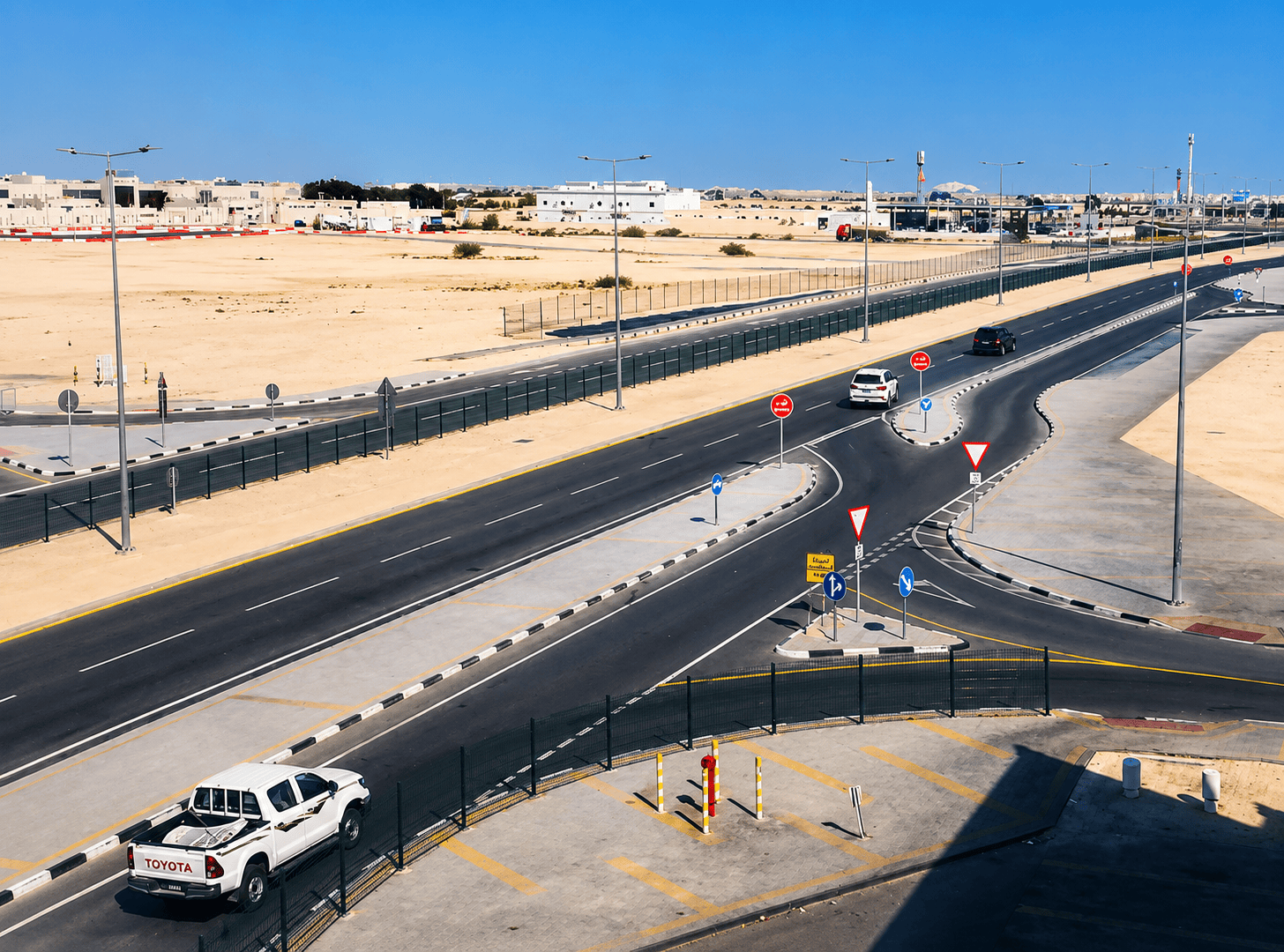
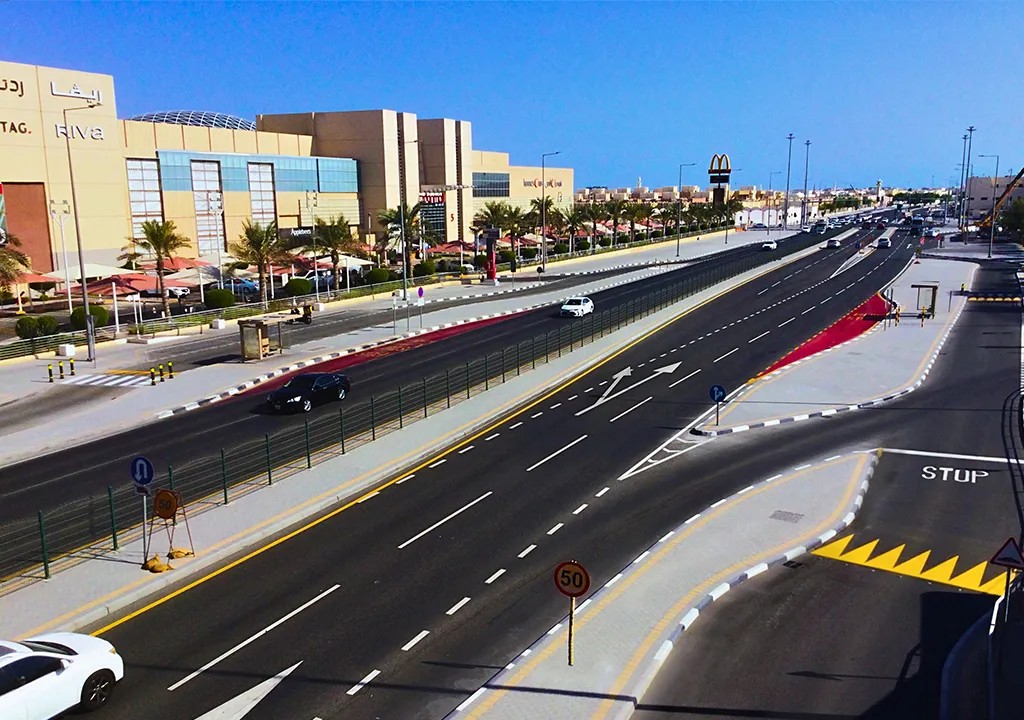
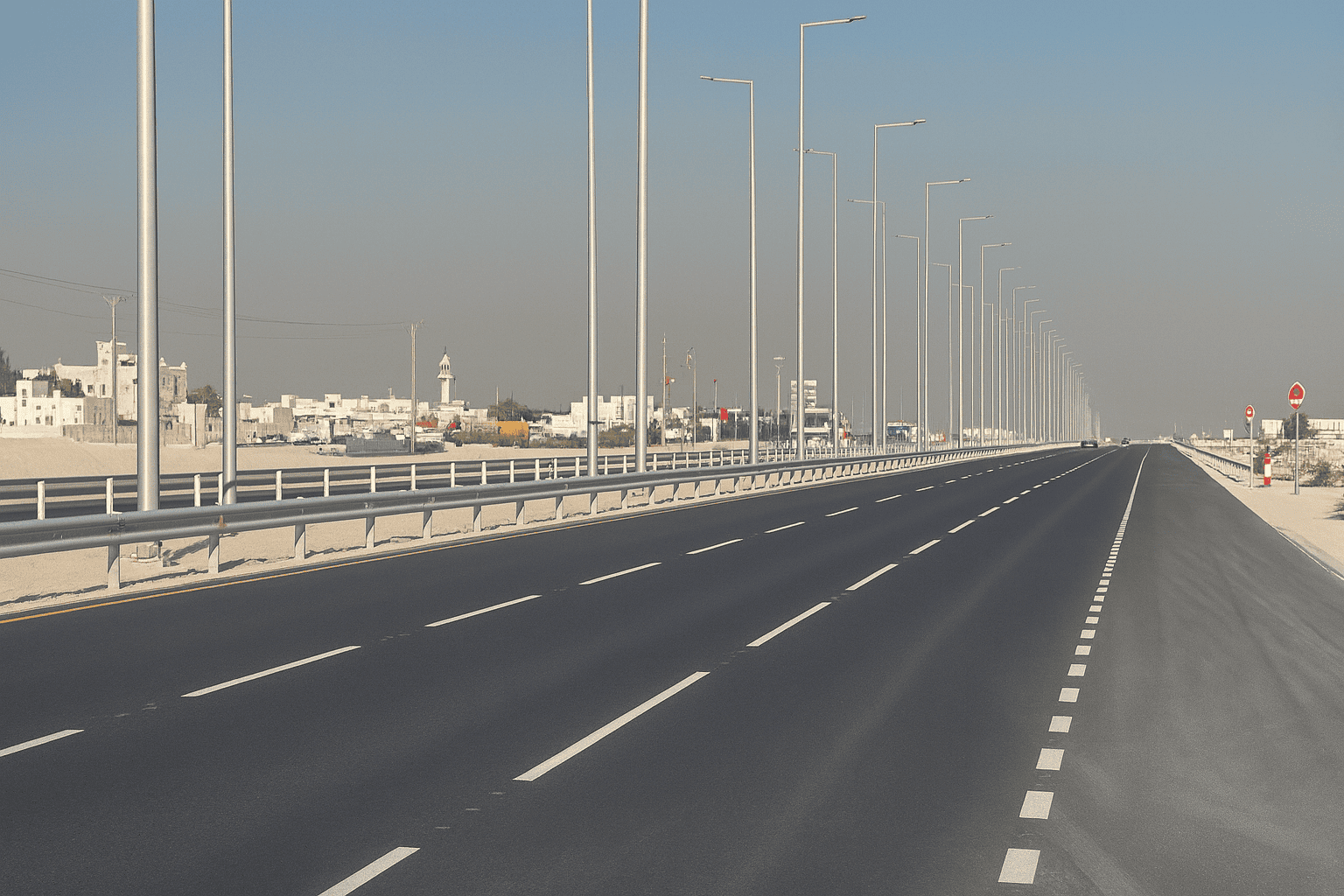
The works go beyond repairing the existing road: they include building a second carriageway and installing road safety features along the corridor.
The expected construction period is 900 days, about two and a half years from the start of works.
The road runs through Syria’s eastern desert, forming a link in a corridor connecting Iraq to Syrian ports on the Mediterranean, and strengthening Syria’s position as a commercial bridge between the Gulf and Europe.
The Transport Minister said the agreement falls within a broader road rehabilitation programme launched in the summer of 2026, and that six further road contracts and three supervision contracts with international companies are on the way.
He added that the al-Tanf–al-Sabaa Biyar–al-Busayri route will complement the Damascus–Palmyra–Deir Ezzor highway, whose rehabilitation contract is expected to be signed soon.
The Finance Minister said the 2026 budget allocated $193 million to major road projects, that the draft 2027 budget earmarks a further $450 million for the sector, and that $200 million is proposed for railway projects next year.
The project is a further step in turning the road network into a lever for trade and investment: a safe, fast road between Damascus and the Iraqi border means easier freight, larger goods flows, and wider economic activity in the areas it crosses.
Note for readers: this contract is different from the 23 October article on the Damascus–Homs, Homs–Aleppo and Saraqeb–Idlib axes, awarded to the Lobar–Al-Jaber alliance; the Tanf contract is with the Qatari company Almohannadi, covers a different road, and is already signed.
In figures:
- Contract value: $147 million
- Main road: 170 kilometres (al-Busayri–al-Tanf)
- Link: 45 kilometres (al-Sabaa Biyar–al-Busayri)
- Construction period: 900 days
- Road allocations in the 2026 budget: $193 million
- Proposed road allocations for 2027: $450 million
- Proposed railway allocations for 2027: $200 million
Who is the contractor?
Almohannadi for Roads, Trading and Contracting (MRTC) is a Qatari company founded in 2015, specialised in roads and infrastructure and classified as a first-grade contractor for road works and maintenance. Its work covers road operation and maintenance, construction, asphalt and road safety, and utility networks. It has regional arms in Kuwait, with its Syria arm its latest expansion, and it won the 2024 International Safety Award from the British Safety Council for road improvement works in Doha. Its CEO, Abdullah Adnan al-Zattam, signed the Tanf contract for the company.
Prepared by: Construction and Investment Prime (CIP) Magazine
All rights reserved 2026