



Syria signs supervision contract with Saudi SETS for Damascus–Deir Ezzor highway rehabilitation
A supervision contract for the longest road corridor linking the capital with eastern Syria, with a second carriageway and an 800-day timeline.
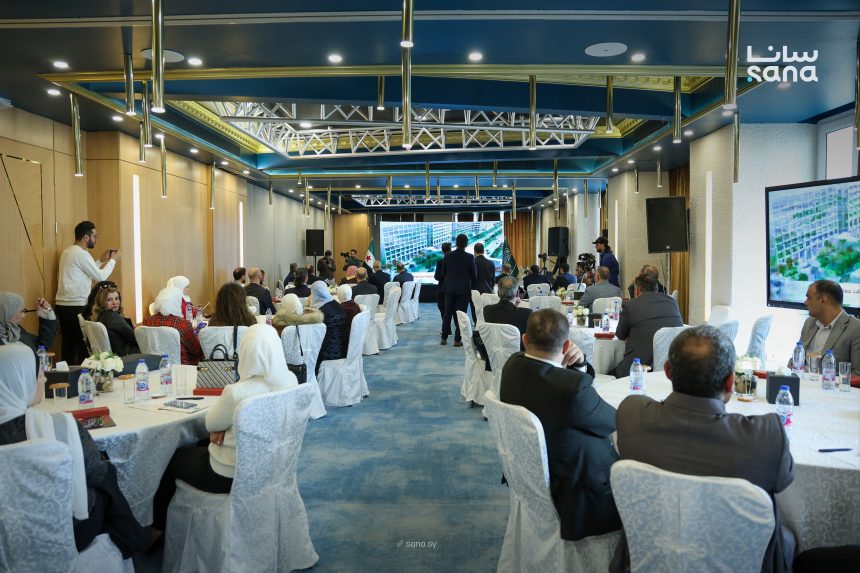
Syria signed on Tuesday, November 17, 2026, a contract with Saudi engineering consultancy SETS to supervise the rehabilitation and expansion of the Damascus–Deir Ezzor highway.
The highway stretches 426 kilometres, and the contract covers supervision of the Damascus–Palmyra and Palmyra–Deir Ezzor sections.
The project includes rehabilitating the existing road and building a second carriageway, improving road safety and raising capacity for growing traffic.
The project costs about 320 million dollars, and implementation runs 800 days starting when construction work begins.
The contract was signed by the General Establishment for Road Transport, and the signing ceremony in Damascus was attended by Transport Minister Yarub Badr and Finance Minister Mohamed Yisr Barnieh.
Also attending were the Establishment’s Director General Moaz Najjar and SETS Chief Executive Hesham Osman.
The Transport Minister said the project is the first supervision contract for rehabilitating this corridor and building a second carriageway for it.
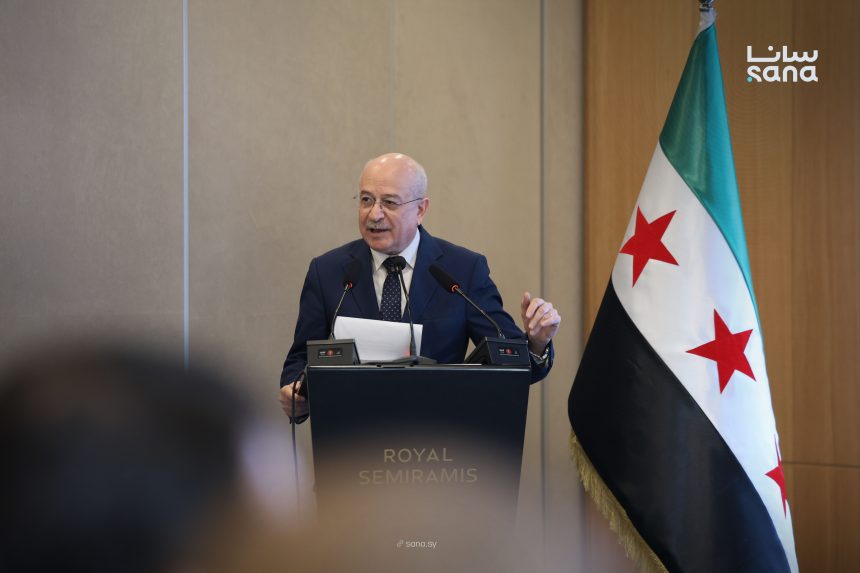
He added that Syria’s geographical location makes it a link between Arab countries and neighbouring states, on a major regional overland transport route.
He noted that the government has set a strategy to rehabilitate the transport sector and infrastructure, keeping pace with the expected rise in transit traffic.
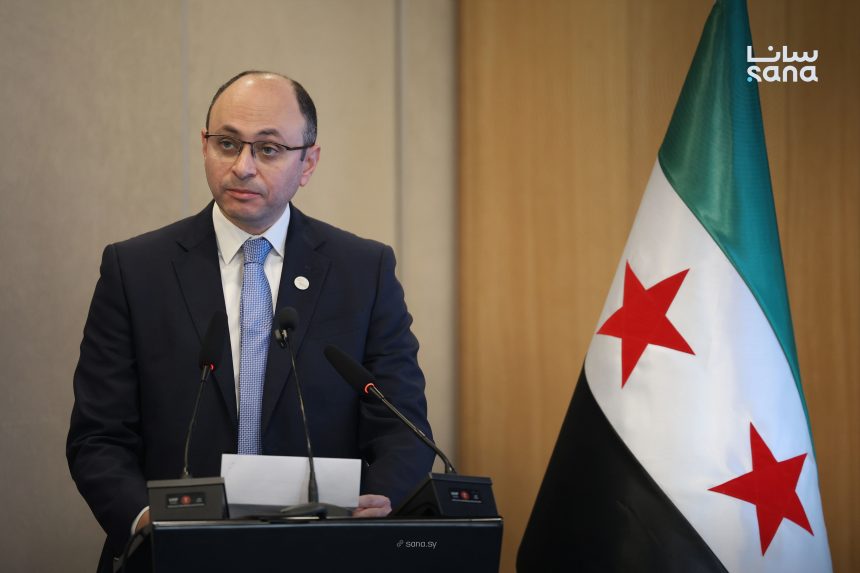
Deputy Director General of the Establishment Mohammad al-Daif explained that the implementation period is 800 days, starting when work begins, under the approved implementation timetable.
He said the Establishment has developed procedures for implementing central road projects, under international quality-control standards and with modern equipment and technologies.
SETS won the supervision contract after competing consultancy firms were assessed under technical and economic criteria, having submitted the most economically advantageous offer relative to its technical score.
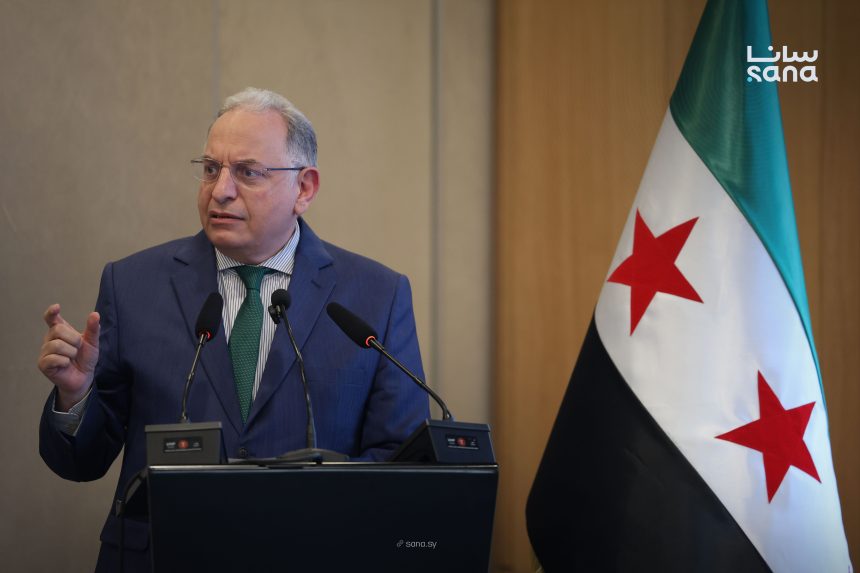
Chief Executive Hesham Osman affirmed that rehabilitating the corridor strengthens connections between Syrian regions and improves the efficiency and safety of the transport network.
He added that upgrading roads links production centres with markets, eases the movement of people and goods, and opens new opportunities for investment and employment.
The company said it looks forward to a long-term partnership with the Ministry of Transport and to contributing to upcoming reconstruction projects in Syria.
The Transport Minister revealed that the Islamic Development Bank is funding, with 2.9 million dollars, a comprehensive study of Syria’s central road network and a study for two new strategic corridors.
The first proposed corridor is a road running from the Jordanian border in the south to the Turkish border in the north, under a toll-road system.
The second proposed corridor runs from the west towards the Iraqi border in the east.
The Minister affirmed that the two corridors’ projects will be offered for investment to specialised international companies, which will finance, build and operate the roads under feasibility-study results and defined investment periods.
The Damascus–Palmyra–Deir Ezzor corridor links the capital with the eastern regions and is a major route for passenger travel and goods transport.
Prepared by: Construction & Investment Prime (CIP)
All rights reserved to CIP