



Cengiz Company in Syria: Joint Work with Kalyon under UCC Leadership
Cengiz does not work alone in Syria: together with Kalyon, it is a partner in the same electricity and Damascus airport projects, inside an alliance led by Qatar's UCC — each company bringing its own capabilities and role to the joint work.
Cengiz does not work alone in Syria: together with Kalyon, it is a partner in the same electricity and Damascus airport projects, inside an alliance led by Qatar’s UCC — each company bringing its own capabilities and role to the joint work.
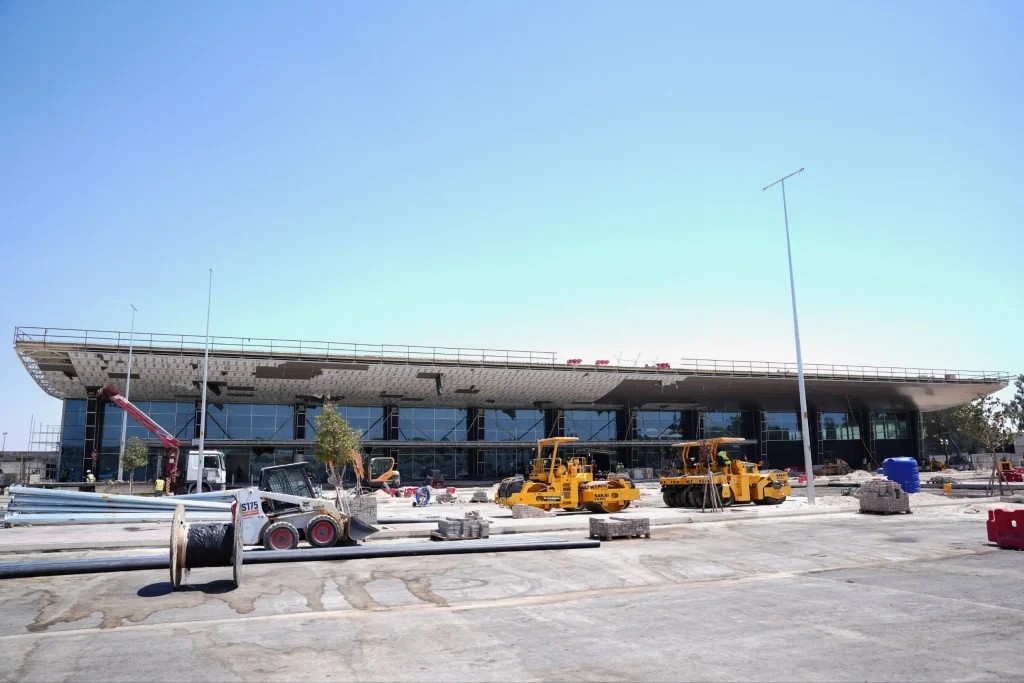
In Syria, Cengiz and Kalyon work together, not each on its own. The two projects in which both companies appear are only two: the electricity agreement, and the development of Damascus International Airport. In both, Qatar’s UCC leads the alliance, and each Turkish company contributes what it has in capabilities and experience. That is why the figures for the two projects are identical in the Kalyon episode and the Cengiz episode: one figure belongs to the same joint project, not to two separate projects.
One alliance and two joint projects
In the electricity agreement signed on 29 May 2025, the alliance is led by UCC, with Kalyon participating through Kalyon GES Enerji and Cengiz through Cengiz Enerji, alongside the American company Power International. At Damascus International Airport, UCC leads the alliance through Urbacon Concessions, with Kalyon participating through Kalyon İnşaat and Cengiz through Cengiz İnşaat, alongside the American company Assets Investments. This distribution is the basis for reading both episodes correctly: two Turkish companies working together on the same project, under one leadership.
What does each company bring?
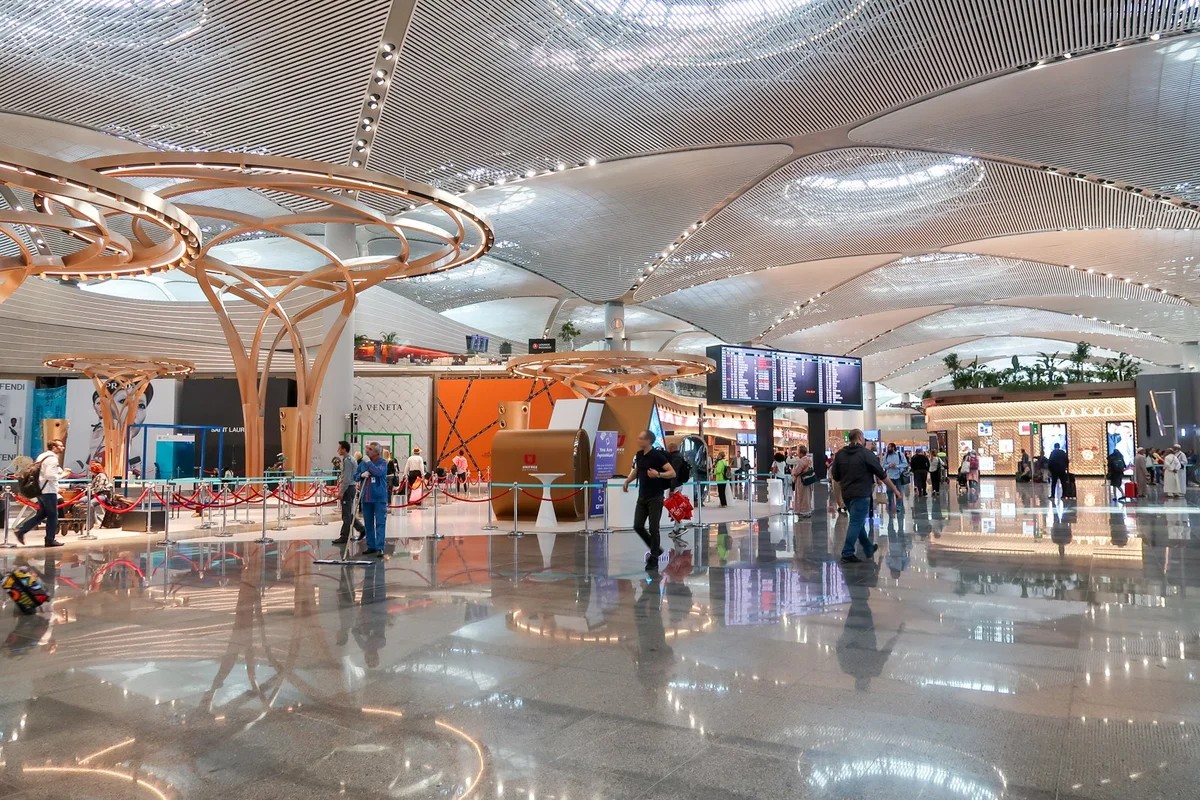
Cengiz’s capabilities: founded in 1980 and headquartered in Istanbul, with about 44,000 people, working in construction and infrastructure, energy, mining, tourism and services. It is an investor and operator at Istanbul Airport, built the first hybrid power plant in Turkey and the largest in Europe, in Bingöl, built Ordu-Giresun Airport, the first airport in Turkey built on the sea, and has delivered more than 570 kilometres of tunnels. This experience in airport operation, energy and heavy infrastructure is what Cengiz brings to the two Syrian projects.
Kalyon’s capabilities, in brief: founded in 1974 and headquartered in Istanbul, with about 35,000 people, it completed Istanbul Airport in 42 months with its partners, completed the Karapinar solar plant with a capacity of 1,350 megawatts in 2023, and owns a solar panel factory in Ankara with a capacity of 500 megawatts per year in its first phase. Its full record is documented in the first episode, and is repeated here only as far as needed to explain the joint work.
Distribution of roles inside the two projects
| Project | Role of UCC | Role of Kalyon | Role of Cengiz |
|---|---|---|---|
| Electricity agreement (29 May 2025) | Alliance leadership | Partner through Kalyon GES Enerji | Partner through Cengiz Enerji |
| Damascus International Airport (final contracts 24 November 2025) | Alliance leadership through Urbacon Concessions | Partner through Kalyon İnşaat | Partner through Cengiz İnşaat |
The shared figures for the two projects
The following figures belong to the same two joint projects, and are read once for both episodes together.
| Joint project | Value | Capacity and sites | Schedule and model |
|---|---|---|---|
| Power plants | 7 billion dollars (within the alliance) | 4 combined-cycle gas plants with a capacity of 4,000 megawatts, plus a solar plant with a capacity of 1,000 megawatts in Wadi al-Rabie in the Damascus countryside; total 5,000 megawatts | Build, own and operate and build, operate and transfer models with power purchase agreements; about 3 years for the gas plants and less than 2 years for the solar plant after the final agreements and financial close |
| Damascus International Airport | About 4 billion dollars (within the alliance) | Capacity rising in stages: 6 million passengers in the first year, then 16 million, then 31 million passengers per year at completion; up to 32 modern boarding gates; rehabilitation of the 50-kilometre access road; 250 million dollars in aircraft financing; more than 90,000 expected jobs | Build, operate and transfer concession; work has started with developing Terminal 2, rehabilitating the old hotel inside the airport, and improving the main road leading to it |
Why does it matter that the two companies work together?
Cooperation here is not a collection of names: Kalyon brings experience in fast construction and solar energy, Cengiz brings experience in airport operation, energy, mining and heavy infrastructure, and UCC brings concession leadership and financing. With this complementarity, each project is read as the work of a full alliance, not as the responsibility of a single company.
Work at Damascus airport is progressing well, with progress on Terminal 2 works and completion of the first-phase works. In energy, the next step remains moving from agreements to implementation on the ground, in line with the announced schedules.
Read next: Kalyon Company in Syria: Electricity and Damascus Airport | Back to the homepage
Prepared by: Construction and Investment Prime Magazine in Syria (CIP)