



Kalyon Company in Syria: Electricity and Damascus Airport
Kalyon enters the Syrian market through two major projects: power plants with a capacity of 5,000 megawatts, and the development of Damascus International Airport — a presence based on a long technical record in airports and energy.
Major Projects in Syria / First series: Turkish Companies — Episode 1: Kalyon Company
Kalyon enters the Syrian market through two major projects: power plants with a capacity of 5,000 megawatts, and the development of Damascus International Airport — a presence based on a long technical record in airports and energy.
Prepared by: Construction and Investment Prime Magazine in Syria (CIP)
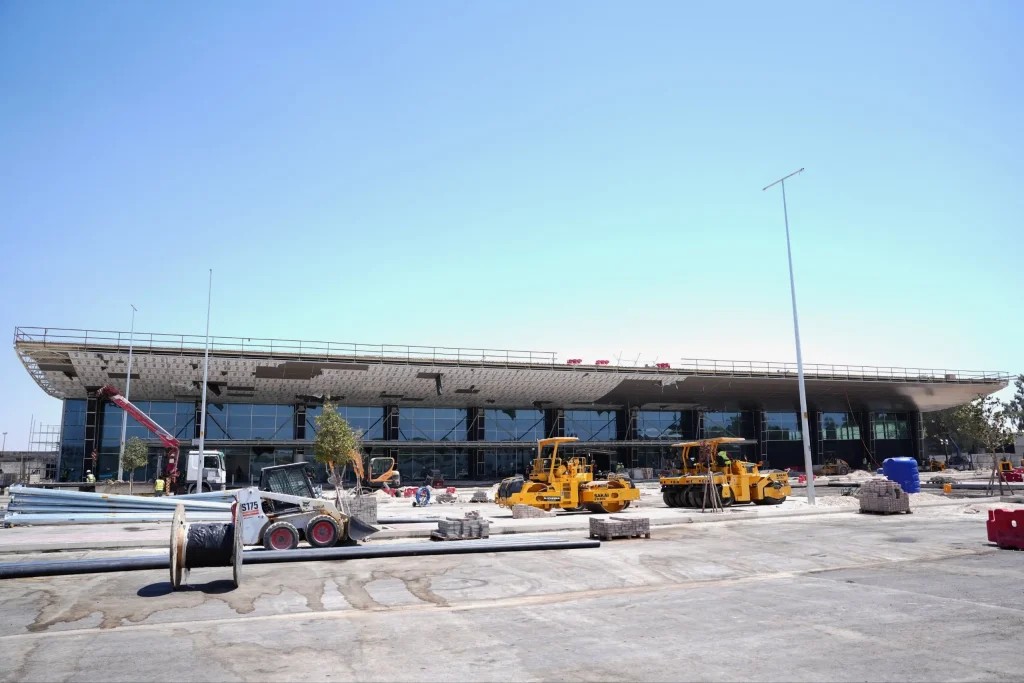
Kalyon is present in Syria through two of the largest infrastructure projects currently under way in the country: a power plants project with a total capacity of 5,000 megawatts, and the project to develop Damascus International Airport.
In the electricity project, Kalyon participates in an agreement worth 7 billion dollars to build four combined-cycle gas plants, in addition to a solar plant in Wadi al-Rabie in the Damascus countryside.
In the airport project, Kalyon participates in developing Damascus International Airport under an agreement of about 4 billion dollars, and work there is progressing well, with progress in building the second terminal and completion of the first-phase works, along with rehabilitation of the road leading to the airport.
Kalyon’s presence here rests on a wide technical record inside Turkey and abroad, from major airports to solar power plants, which this article reads in detail and in figures.
Who is Kalyon Company?
| Item | Information |
|---|---|
| Founded | In 1974, by brothers Hassan and Jamal Kalyoncu, starting from Gaziantep |
| Headquarters | Istanbul, Turkey |
| Sectors | Construction and infrastructure, energy, real estate, industry, investment and operation |
| Size | About 35,000 employees |
| Key works | Istanbul Airport; Karapinar Solar Plant; integrated solar panel factory |
Kalyon began its activity in construction within a family framework, then expanded until it became a group working in construction, energy, real estate, industry, investment and operation together, and is today led by the second generation of the founding family.
Kalyon Company’s technical record
| Previous project | Technical figures |
|---|---|
| Istanbul Airport | Construction completed in 42 months with partners, with a capacity of about 90 million passengers per year |
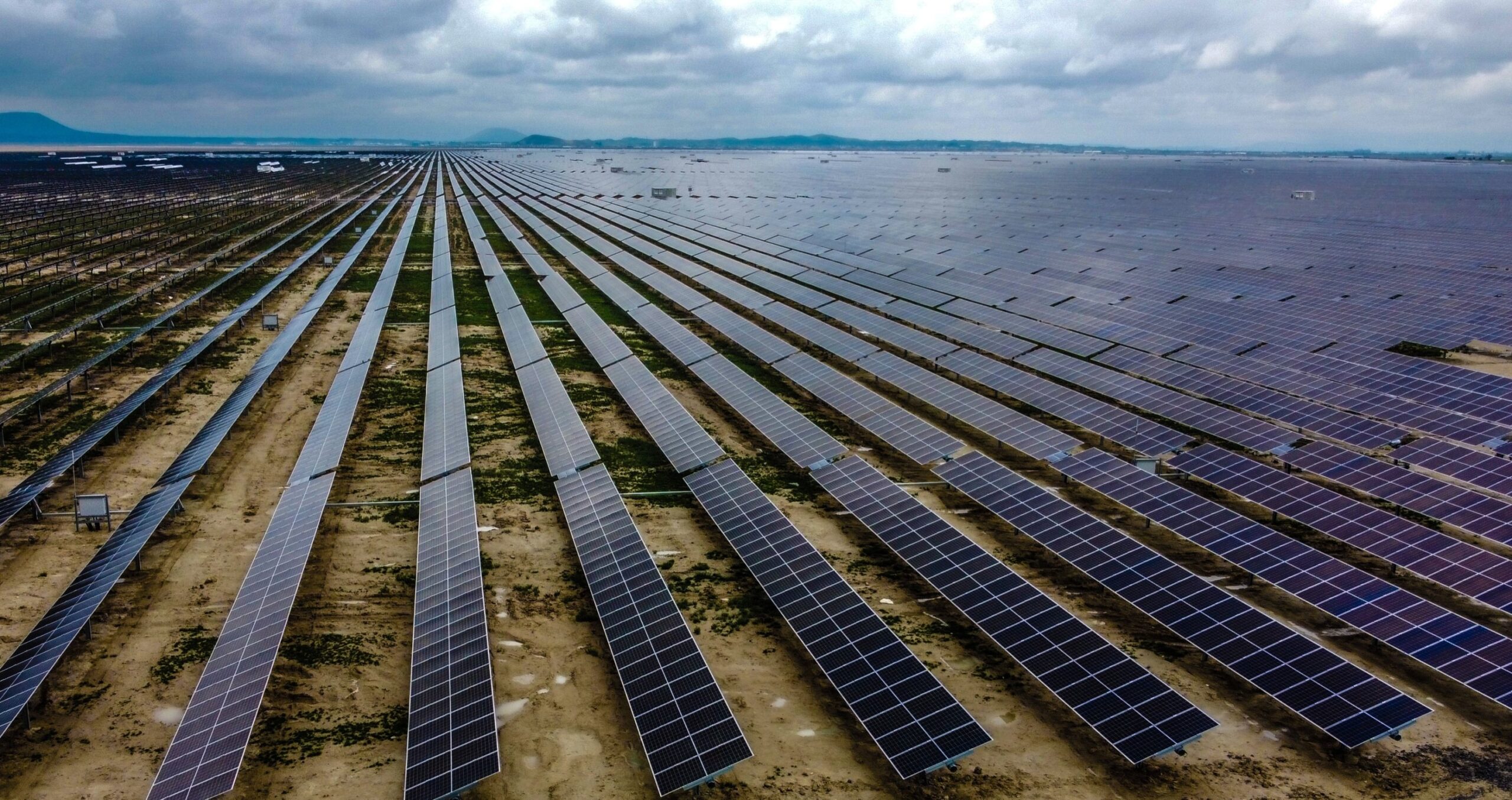
| Karapinar Solar Plant (Konya) | Installed capacity 1,350 megawatts; about 3.3 million panels; area 20 million square metres; production about 3 billion kilowatt-hours per year |
| Solar panel factory (Ankara) | An integrated factory bringing the panel production stages together under one roof; annual production capacity 500 megawatts in the first phase; and one of the first integrated factories of its kind in the region |
The most important figure in this record is not the size of Istanbul Airport alone, but the speed of its completion: 42 months for an airport of this size. In solar energy, the Karapinar project stands out as one of the largest solar energy projects in the region, reflecting the company’s ability to deliver huge projects at a fast pace.
Kalyon Company’s projects in Syria
Power plants — agreement of 29 May 2025
| Item | Detail |
|---|---|
| Value | 7 billion dollars, within an alliance |
| Alliance leadership | Qatar’s UCC, with Kalyon GES Enerji, Cengiz Enerji and the American Power International |
| Gas plants | 4 combined-cycle plants with a capacity of 4,000 megawatts, in al-Treifawi in Homs, al-Zayzoun in Hama, Deir ez-Zor and Mhardeh in Hama |
| Solar plant | Capacity 1,000 megawatts, in Wadi al-Rabie in the Damascus countryside |
| Total | 5,000 megawatts, with expected production of about 35 billion kilowatt-hours per year |
| Schedule | About 3 years for the gas plants, and less than 2 years for the solar plant, after the final agreements and financial close |
| Kalyon’s role | Participating partner through its energy arm, within the alliance implementing the project |
Five thousand megawatts of capacity will change the country’s electricity balance when it enters service, distributed between gas plants in four regions and a solar plant in Wadi al-Rabie in the Damascus countryside, bringing electricity generation closer to demand centres and adding a large renewable source to the grid.
Damascus International Airport — final contracts of 24 November 2025
In the airport project, Qatar’s UCC leads the implementing alliance through its arm Urbacon Concessions, and Kalyon participates in it as a partner in construction works, with its wide experience in building large airports.
| Item | Detail |
|---|---|
| Value | About 4 billion dollars, within an alliance |
| Alliance leadership | Qatar’s UCC through Urbacon Concessions |
| Partners | Kalyon İnşaat, Cengiz İnşaat and the American Assets Investments |
| Capacity | Raising capacity in stages: 6 million passengers per year, then 16 million, then 31 million passengers per year at completion |
| Facilities | Up to 32 modern boarding gates |
| Access road | Rehabilitation of the road leading to the airport, 50 kilometres long |
| Aircraft financing | A programme worth 250 million dollars |
| Expected jobs | More than 90,000 direct and indirect jobs |
| Ongoing works | Work is progressing well: construction of the second terminal is progressing, first-phase works are complete, with rehabilitation of the road leading to the airport |
| Kalyon’s role | Participating partner in construction within the alliance led by Qatar’s UCC |
The airport is Syria’s first air gateway, and raising its capacity gradually to 31 million passengers per year means in practice a new airport keeping pace with the return of air traffic and growing with it. In this project, Kalyon puts its experience in building large airports, within the alliance team led by Qatar’s UCC.
What does Kalyon’s entry into Syria mean?
Kalyon’s entry is not the entry of a contractor implementing a contract and leaving. In energy, it is a partner in new generation capacity supporting the country’s electricity grid for decades, and in the airport it is a partner in developing the country’s first air gateway.
In both projects together, Kalyon works within wide alliances in which roles and expertise are distributed, combining its experience in major construction with its partners’ experience in energy, operation and investment.
Next steps
At Damascus airport, construction of the second terminal continues after completion of the first-phase works, and with it rehabilitation of facilities and the access road progresses, in preparation for the following stages that gradually raise the airport’s capacity towards 31 million passengers per year.
In electricity, attention turns to completing the final agreements and financial close, after which gas plant works begin on a schedule of about three years, and the solar plant in Wadi al-Rabie in the Damascus countryside on a shorter schedule.
As these two projects progress, Kalyon’s presence in Syria becomes established as a partner in infrastructure serving the country for decades to come: more stable electricity, and a wider air gateway.
Read next: Cengiz Company in Syria: Joint Work with Kalyon under UCC Leadership
CIP — All rights reserved to Construction and Investment Prime Magazine in Syria.